
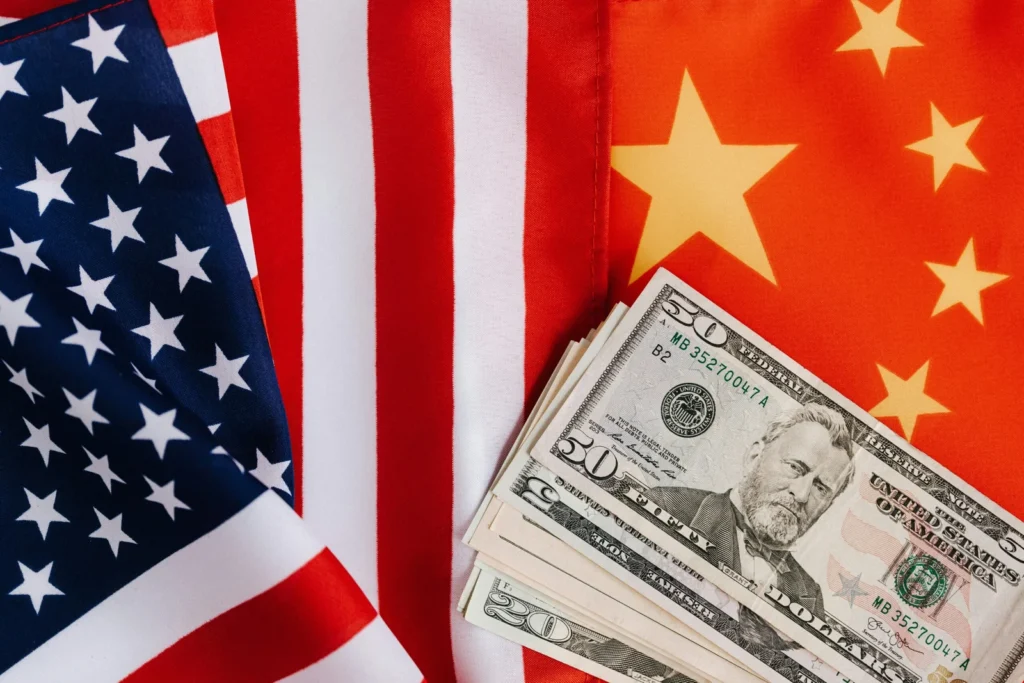

In today’s interconnected world, international trade partnerships have become the lifeblood of global economies. But what exactly are these partnerships, and why do they matter so much? From small businesses to multinational corporations, everyone seems to be talking about trade agreements and their impact. Yet, for many, the complexities of these partnerships remain shrouded in mystery.
Imagine a world where your favorite products suddenly disappear from shelves, or where the cost of everyday items skyrockets overnight. This isn’t just a hypothetical scenario – it’s a stark reality that could unfold without robust international trade partnerships. These agreements not only ensure a steady flow of goods and services across borders but also play a crucial role in shaping economic policies, fostering innovation, and even influencing geopolitical relationships.
As we delve into the intricacies of international trade partnerships, we’ll explore how these agreements are established, their economic impact, and the challenges they face in an ever-changing global landscape. We’ll also examine the role of technology in reshaping trade dynamics and peek into the future of these vital economic alliances. So, buckle up as we embark on a journey through the fascinating world of international trade partnerships!
Understanding International Trade Partnerships

Definition and key components
International trade partnerships are formalized agreements between two or more countries to facilitate and regulate trade activities. These partnerships aim to reduce barriers, increase economic cooperation, and promote mutual growth. Key components of international trade partnerships include:
- Tariff reductions or eliminations
- Non-tariff barrier removals
- Rules of origin
- Intellectual property protection
- Dispute resolution mechanisms
- Investment provisions
| Component | Description |
|---|---|
| Tariff reductions | Lowering or eliminating taxes on imported goods |
| Non-tariff barriers | Addressing quotas, subsidies, and regulatory obstacles |
| Rules of origin | Determining product eligibility for preferential treatment |
| IP protection | Safeguarding patents, trademarks, and copyrights |
| Dispute resolution | Establishing procedures for resolving conflicts |
| Investment provisions | Facilitating cross-border investments and protecting investors |
Benefits for participating countries
Countries engaging in international trade partnerships can reap numerous benefits, including:
- Increased market access: Partners gain preferential entry to each other’s markets, expanding opportunities for businesses.
- Economic growth: Enhanced trade often leads to increased GDP and job creation.
- Competitive advantage: Access to a wider range of resources and technologies can boost innovation and efficiency.
- Consumer benefits: Greater product variety and potentially lower prices due to increased competition.
- Diplomatic relations: Trade partnerships often strengthen political ties between nations.
Types of trade partnerships
International trade partnerships come in various forms, each with unique characteristics and scope:
- Bilateral trade agreements: These involve two countries and are often tailored to address specific trade issues between the parties.
- Multilateral trade agreements: Involving multiple countries, these agreements aim to create a broader framework for international trade. The World Trade Organization (WTO) oversees many multilateral agreements.
- Free trade agreements (FTAs): FTAs eliminate or reduce trade barriers between participating countries, promoting the free flow of goods and services.
- Customs unions: Similar to FTAs, but with the added feature of a common external tariff for non-member countries.
- Common markets: These agreements go beyond customs unions by allowing the free movement of labor and capital between member countries.
- Economic unions: The most comprehensive form of trade partnership, involving common economic policies and sometimes a shared currency.
| Type | Scope | Example |
|---|---|---|
| Bilateral | Two countries | US-Japan Trade Agreement |
| Multilateral | Multiple countries | WTO agreements |
| FTA | Tariff elimination | NAFTA (now USMCA) |
| Customs union | Common external tariff | European Union Customs Union |
| Common market | Free movement of factors | European Single Market |
| Economic union | Shared economic policies | Eurozone |
Understanding these various types of trade partnerships is crucial for countries and businesses looking to expand their global reach and capitalize on international trade opportunities. Each type offers different levels of integration and benefits, allowing nations to choose the most suitable arrangement based on their economic goals and political considerations.
Establishing Successful Trade Agreements

Identifying potential partners
When establishing successful trade agreements, the first crucial step is identifying potential partners. This process involves extensive research and analysis of global markets to find countries or regions that align with your trade objectives. Consider factors such as:
- Economic stability and growth potential
- Political climate and regulatory environment
- Market demand for your products or services
- Existing trade relationships and agreements
To streamline this process, create a comprehensive checklist:
- Analyze trade statistics and economic indicators
- Evaluate cultural compatibility and business practices
- Assess infrastructure and logistics capabilities
- Review intellectual property protection laws
- Examine tariff structures and trade barriers
Negotiation strategies
Once potential partners are identified, effective negotiation strategies become paramount. Successful negotiations require a delicate balance of assertiveness and flexibility. Key strategies include:
- Thorough preparation and understanding of your objectives
- Active listening and empathy towards partner’s needs
- Building rapport and establishing trust
- Focusing on mutual benefits and win-win outcomes
- Utilizing patience and persistence in the face of challenges
| Strategy | Description | Benefits |
|---|---|---|
| BATNA | Best Alternative To a Negotiated Agreement | Provides leverage and confidence |
| Principled Negotiation | Focus on interests, not positions | Fosters long-term relationships |
| Incremental Concessions | Gradual give-and-take approach | Builds trust and momentum |
| Cultural Adaptability | Adjusting negotiation style to partner’s culture | Enhances communication and understanding |
Overcoming cultural and language barriers
International trade partnerships often face challenges due to cultural and language differences. To overcome these barriers:
- Invest in cultural training for your negotiation team
- Employ skilled interpreters and translators
- Practice active listening and seek clarification
- Be mindful of non-verbal communication cues
- Show respect for local customs and traditions
Developing cultural intelligence (CQ) is crucial for navigating these complexities. CQ encompasses knowledge, mindfulness, and behavioral adaptability in cross-cultural interactions.
Legal considerations
The legal aspects of international trade agreements are complex and require careful attention. Key legal considerations include:
- Intellectual property rights protection
- Dispute resolution mechanisms
- Compliance with international trade laws and regulations
- Tax implications and transfer pricing
- Currency exchange and financial regulations
It’s essential to engage legal experts specialising in international trade law to ensure your agreements are comprehensive and protect your interests. Consider establishing a dedicated legal team or partnering with a reputable international law firm.
With these strategies in place, you’ll be well-equipped to establish successful trade agreements that drive growth and foster strong international partnerships. As we move forward, it’s important to consider the broader economic impact of these trade partnerships on both participating nations and the global economy as a whole.
Economic Impact of Trade Partnerships

GDP growth and job creation
International trade partnerships have a significant impact on GDP growth and job creation. Countries engaged in these partnerships often experience increased economic activity, leading to higher GDP and more employment opportunities. For instance:
- GDP Growth: Trade partnerships can boost GDP by:
- Increasing exports
- Attracting foreign investment
- Enhancing productivity through competition
- Job Creation: New employment opportunities arise in various sectors:
- Export-oriented industries
- Logistics and transportation
- Trade-related services (finance, legal, consulting)
| Impact Area | Short-term Effects | Long-term Effects |
|---|---|---|
| GDP Growth | Increased trade volume | Structural economic changes |
| Job Creation | Direct jobs in export sectors | Indirect jobs in supporting industries |
Market expansion opportunities
Trade partnerships open up new markets for businesses, allowing them to expand their reach and customer base. This expansion can lead to:
- Increased sales and revenue
- Diversification of product offerings
- Reduced dependence on domestic markets
Companies can leverage these opportunities by:
- Adapting products to suit new markets
- Forming strategic alliances with local businesses
- Investing in market research and localization efforts
Increased competition and innovation
As markets open up, businesses face increased competition from international players. This competition drives innovation and efficiency:
- Product Innovation: Companies develop new or improved products to stay competitive
- Process Innovation: Firms optimize their operations to reduce costs and increase productivity
- Business Model Innovation: Organizations adapt their strategies to succeed in new markets
The benefits of increased competition include:
- Higher quality products and services for consumers
- More choices in the marketplace
- Improved industry standards and best practices
Foreign direct investment
Trade partnerships often lead to increased foreign direct investment (FDI), which can have profound economic impacts:
| FDI Benefits | Description |
|---|---|
| Capital Inflow | Foreign investments bring in much-needed capital for economic development |
| Technology Transfer | International companies often bring advanced technologies and know-how |
| Job Creation | FDI projects can create both direct and indirect employment opportunities |
| Skill Development | Local workforce gains exposure to international business practices and skills |
To maximize the benefits of FDI, countries often:
- Create special economic zones or free trade areas
- Offer tax incentives to foreign investors
- Streamline regulations to facilitate business operations
As we’ve seen, the economic impact of trade partnerships is far-reaching, affecting various aspects of a country’s economy. These partnerships not only stimulate growth and create jobs but also foster innovation and attract valuable foreign investments. Next, we’ll explore the challenges that countries face when engaging in international trade partnerships.
Challenges in International Trade Partnerships

Trade imbalances
Trade imbalances pose a significant challenge in international trade partnerships. These occur when one country consistently exports more goods and services to its partner than it imports. While some level of imbalance is normal, persistent and large disparities can lead to economic tensions and political friction between nations.
Effects of trade imbalances:
- Currency fluctuations
- Job market disruptions
- Political pressure for protectionist measures
- Strained diplomatic relations
To address trade imbalances, countries often implement various strategies:
| Strategy | Description | Potential Impact |
|---|---|---|
| Currency manipulation | Artificially devaluing currency to boost exports | Short-term export gains, but can lead to retaliation |
| Trade barriers | Imposing tariffs or quotas on imports | Protects domestic industries but may increase consumer costs |
| Export promotion | Government initiatives to boost exports | Can help balance trade but may require significant resources |
| Bilateral negotiations | Direct talks to address imbalances | Can lead to mutually beneficial solutions but may be time-consuming |
Regulatory differences
Navigating the complex web of regulations across different countries is a major hurdle in international trade partnerships. These differences can significantly impact the ease of doing business and the flow of goods and services across borders.
Key areas affected by regulatory differences include:
- Product standards and certifications
- Intellectual property rights
- Data privacy and protection laws
- Environmental regulations
- Financial reporting requirements
To overcome these challenges, countries and businesses often engage in:
- Harmonization efforts: Aligning regulations across countries
- Mutual recognition agreements: Accepting each other’s standards
- Regulatory cooperation: Sharing information and best practices
- Capacity building: Assisting developing countries in improving their regulatory frameworks
Political instability
Political instability in partner countries can severely disrupt international trade partnerships. Sudden changes in government, policy shifts, or social unrest can create uncertainty and risk for businesses engaged in cross-border trade.
Impacts of political instability on trade:
- Disruption of supply chains
- Changes in trade policies and agreements
- Currency volatility
- Increased security risks for personnel and assets
- Reduced foreign direct investment
To mitigate these risks, businesses and governments often:
- Diversify their trade partners and supply chains
- Invest in political risk insurance
- Engage in diplomatic efforts to promote stability
- Develop contingency plans for various scenarios
Environmental concerns
As global awareness of environmental issues grows, addressing ecological concerns has become a crucial aspect of international trade partnerships. Balancing economic growth with environmental protection presents significant challenges.
Key environmental issues in trade include:
| Issue | Description | Trade Impact |
|---|---|---|
| Carbon emissions | Greenhouse gas production in manufacturing and transportation | Carbon taxes, emission regulations |
| Deforestation | Clearing forests for agriculture or resource extraction | Trade restrictions on certain products |
| Waste management | Disposal and recycling of products and packaging | Regulations on packaging and waste exports |
| Biodiversity loss | Impact of trade on local ecosystems and species | Restrictions on trade in endangered species |
Labor standards
Differences in labor standards across countries can create challenges in international trade partnerships. Ensuring fair working conditions while maintaining competitive advantages is a delicate balance.
Key labor issues in international trade include:
- Minimum wage disparities
- Working hour regulations
- Occupational health and safety standards
- Child labor laws
- Freedom of association and collective bargaining rights
To address these challenges, various initiatives have been implemented:
- International Labor Organization (ILO) conventions
- Labor provisions in trade agreements
- Corporate social responsibility programs
- Fair trade certifications
As we move forward, addressing these challenges will be crucial for creating sustainable and equitable international trade partnerships. The next section will explore how technology is reshaping the landscape of global trade and offering new solutions to longstanding issues.
Technology and Trade Partnerships

E-commerce and digital trade
The advent of e-commerce and digital trade has revolutionized international trade partnerships, creating new opportunities and challenges for businesses and governments alike. As cross-border commerce continues to grow, digital platforms have become essential tools for facilitating trade and expanding market reach.
Key advantages of e-commerce in international trade partnerships include:
- Reduced barriers to entry
- Expanded market access
- Increased efficiency in transactions
- Enhanced customer experience
- Real-time data analytics
| Traditional Trade | E-commerce Trade |
|---|---|
| Limited market reach | Global market access |
| High operational costs | Reduced overhead |
| Time-consuming processes | Streamlined transactions |
| Limited product offerings | Diverse product range |
| Slow adaptation to trends | Rapid market responsiveness |
The rise of digital trade solutions has also led to the development of new trade agreements and policies. For example, the Digital Economy Partnership Agreement (DEPA) between Singapore, New Zealand, and Chile aims to establish common rules and standards for digital trade, fostering a more inclusive and innovative digital economy.
Blockchain for transparent transactions
Blockchain technology is transforming the landscape of international trade partnerships by providing a secure, transparent, and immutable ledger for transactions. This innovative technology offers several benefits for cross-border commerce:
- Enhanced traceability of goods
- Reduced fraud and counterfeiting
- Streamlined documentation processes
- Improved supply chain management
- Faster and more secure payments
One of the most significant applications of blockchain in trade is the digitization of trade documents. Traditional paper-based processes are being replaced by smart contracts and digital certificates, reducing processing times and costs while increasing accuracy and security.
AI and big data in trade forecasting
Artificial Intelligence (AI) and big data analytics are revolutionizing trade forecasting and decision-making in international trade partnerships. These technologies enable businesses and governments to:
- Analyze market trends and consumer behavior
- Predict demand and supply fluctuations
- Optimize logistics and supply chain operations
- Identify potential trade risks and opportunities
- Enhance compliance with trade regulations
AI-powered trade forecasting tools can process vast amounts of data from various sources, including:
- Historical trade data
- Economic indicators
- Geopolitical events
- Social media sentiment
- Weather patterns
By leveraging these insights, businesses can make more informed decisions about their international trade strategies, such as identifying new export markets or adjusting production levels to meet global demand.
Moreover, AI and big data are helping to streamline customs processes and improve border security. Advanced algorithms can analyze shipment data to identify high-risk cargo, reducing inspection times and improving overall efficiency in cross-border trade.
As we look towards the future of international trade partnerships, it’s clear that technology will continue to play a pivotal role in shaping global commerce and fostering stronger economic ties between nations.
Future of International Trade Partnerships

Emerging markets and opportunities
As global dynamics shift, emerging markets are becoming increasingly important in shaping the future of international trade partnerships. These markets, often characterized by rapid economic growth and expanding consumer bases, present exciting opportunities for businesses and nations alike.
Key emerging markets:
- Southeast Asia (ASEAN countries)
- Africa (particularly Sub-Saharan region)
- Latin America
- India
- Eastern Europe
These regions offer unique advantages, including:
- Large, young populations
- Growing middle class
- Increasing technological adoption
- Rich natural resources
- Improving infrastructure
To capitalize on these opportunities, businesses and governments must:
- Conduct thorough market research
- Develop localized strategies
- Build strong relationships with local partners
- Invest in cultural understanding and adaptation
- Stay informed about regulatory changes
| Emerging Market | Key Opportunities | Potential Challenges |
|---|---|---|
| Southeast Asia | E-commerce growth, manufacturing | Diverse regulations |
| Africa | Natural resources, technology adoption | Infrastructure gaps |
| Latin America | Renewable energy, agriculture | Political instability |
| India | Digital services, healthcare | Complex bureaucracy |
| Eastern Europe | Skilled workforce, IT sector | Geopolitical tensions |
Sustainable and ethical trade practices
As global awareness of environmental and social issues grows, sustainable and ethical trade practices are becoming crucial components of future international trade partnerships. These practices not only contribute to a better world but also enhance brand reputation and consumer loyalty.
Key aspects of sustainable and ethical trade include:
- Environmental sustainability
- Fair labor practices
- Responsible sourcing
- Transparency in supply chains
- Circular economy principles
Businesses and governments are increasingly adopting these practices through:
- Implementing rigorous sustainability standards
- Investing in renewable energy and eco-friendly technologies
- Ensuring fair wages and safe working conditions
- Developing traceability systems for supply chains
- Promoting recycling and waste reduction initiatives
Adapting to global crises and uncertainties
Recent events, such as the COVID-19 pandemic and geopolitical tensions, have highlighted the need for resilience and adaptability in international trade partnerships. Future-proofing trade relationships will be essential for long-term success.
Strategies for adapting to global crises and uncertainties include:
- Diversifying supply chains
- Embracing digital technologies
- Developing flexible trade agreements
- Strengthening regional partnerships
- Investing in risk management and scenario planning
By implementing these strategies, businesses and nations can:
- Reduce vulnerability to disruptions
- Respond quickly to changing market conditions
- Maintain continuity of operations during crises
- Capitalize on new opportunities arising from global shifts
As we look to the future of international trade partnerships, it’s clear that success will depend on the ability to navigate emerging markets, embrace sustainable practices, and adapt to global uncertainties. By focusing on these key areas, businesses and nations can build resilient, mutually beneficial trade relationships that stand the test of time.

International trade partnerships have become increasingly vital in our interconnected global economy. From understanding the fundamentals to navigating complex agreements, these partnerships shape economic landscapes and foster cross-border collaboration. While challenges such as cultural differences and regulatory hurdles exist, the benefits of successful trade partnerships far outweigh the obstacles.
As technology continues to revolutionize international trade, the future of these partnerships looks promising. Businesses and nations alike must adapt to new digital platforms and embrace innovative solutions to stay competitive. By fostering strong relationships, leveraging technological advancements, and addressing challenges head-on, countries and organizations can unlock the full potential of international trade partnerships, driving economic growth and prosperity on a global scale.